
Exploring the Impact of Community Gardens on St Louis Youth and the Role of Green St Louis Machine

Community gardens are more than just patches of green in urban landscapes; they are vital spaces for growth, education, and cultural exchange. In St. Louis, these gardens not only provide fresh produce but also offer a rich educational experience for students. Programs like the after-school farm-to-table initiative, led by Green St. Louis Machine, showcase how these gardens can shape healthier lifestyles and strengthen community ties starting with our youth.

The Importance of Community Gardens
Community gardens represent a movement towards sustainability and self-sufficiency. They allow individuals to grow their own food, which helps to lower reliance on supermarket produce. This fosters healthier eating habits and promotes local food systems.
Statistics show that community gardens can reduce grocery costs by up to 40% for participating families, enabling them to redirect funds toward other essential needs. Additionally, these gardens enhance urban environments by improving air quality, beautifying neighborhoods, and increasing property values by as much as 10%.
Moreover, community gardens are educational platforms. Students can learn key skills such as gardening, nutrition, and cooperation. For example, local schools that incorporate gardening into their curricula report an increase in students' interest in science and environmental studies.
Green St. Louis Machine: Championing Community Growth
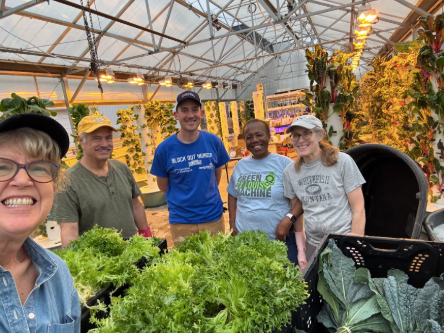
Green St. Louis Machine leads the charge in utilizing community gardens to positively impact youth. Their farm-to-table after-school program focuses on elementary and high school students, aiming to deepen their understanding of food systems and healthy eating choices.
Through hands-on experiences, students engage in the entire process of growing food, from planting seeds to harvesting vegetables. A survey conducted by the program found that 85% of participating students reported increased appreciation for food and its origins, ultimately encouraging lifelong healthy habits.
The Role of Education in Community Gardening
Education is pivotal in the farm-to-table initiative. Students are taught about soil health, planting seasons, and cooking techniques that make use of their fresh harvests. This knowledge equips them not only to nurture their gardens but also to understand the nutritional value of their food choices.
Additionally, this educational approach instills a sense of responsibility. As students care for their garden plots, they learn important qualities such as patience and diligence, which are beneficial in other areas of life, including academics and personal development.
Social Connections and Teamwork
Community gardens are natural spaces for social interactions, and the farm-to-table program enhances this aspect significantly. Students collaborate in teams to plant and maintain their gardens, fostering strong relationships and a sense of community.
Working in groups promotes effective communication. For instance, in one recent project, students worked together to design a layout for the garden, which took into account sunlight and plant compatibility. They celebrated successes as a team, whether through a bountiful harvest or creating new recipes using their fresh vegetables.
Health and Wellness Benefits
The advantages of community gardens extend beyond social and educational gains. Engaging in gardening provides students with physical exercise, a crucial factor for developing children. A study found that children participating in gardening programs increased their physical activity levels by nearly 30%.
Students learn about nutrition firsthand by harvesting and consuming their produce. This experience helps combat issues like childhood obesity, as participants develop healthier eating patterns. Anecdotal evidence from families involved shows a significant reduction in sugary snack consumption after children start gardening.
Instilling Environmental Stewardship
Being part of a community garden fosters a sense of environmental stewardship. Students gain insight into biodiversity, composting, and organic farming methods.
Learning these concepts encourages respect and care for the environment. For example, students who learn about composting often begin to implement these practices at home, thereby spreading awareness and inspiring others in their families to engage in eco-friendly practices.
Bringing Families Together
Community gardens provide a unique opportunity for families to connect with their children in a positive atmosphere. When students bring home what they learn, it sparks family conversations about food and nutrition.
Many families participate in gardening activities together, strengthening their bonds and creating shared learning experiences. These interactions not only enrich the students' lives but also reignite parents' interest in gardening and healthy lifestyles.
The Legacy of Community Gardens
The impact of community gardens on educational institutions like those in St. Louis is profound. Programs like the farm-to-table initiative from Green St. Louis Machine not only promote healthier lifestyles but also highlight the value of teamwork and community involvement.
Through these efforts, students are given the opportunity to nurture their minds and gardens alike, creating a culture of sustainability and wellness within their neighborhoods. The benefits of these community gardens will resonate for generations to come, making them integral to urban living in St. Louis.

Comments